Picture this: You’re pouring your soul into an email, a blog post, or that big report for work, and halfway through you realize it’s a mess – sentences twisting like pretzels, ideas buried under junk. I know the feeling all too well. Back when I freelanced for HuffPost and local papers, my drafts came back bleeding red ink: “Too wordy!” “Clarify this!” It stung. Then one editor straight-up murdered a piece I was proud of in late 2023. I lost it, spent the next month tearing apart every writing book on my shelf, butchering my own drafts until they bled, and finally figured out how to make writing clearer concise. Almost overnight, people stopped skimming and actually started reading. If your writing feels bloated or confusing, you’re not alone. But stripping it down isn’t about losing your voice; it’s about letting it breathe. Here are 10 simple ways to make writing clearer concise, pulled from my messy journey and backed by pros who’ve been there.
Cut the Fluff: Ditch Unnecessary Words That Drag You Down
Nothing kills a reader’s interest faster than padding. I used to stuff sentences with “in order to” or “at this point in time” just to sound smart. Big mistake. Now, I hunt those phrases like weeds in a garden. For example, change “in order to” to “to,” and “due to the fact that” to “because.” It’s brutal at first – my first edited draft felt naked – but it works wonders.

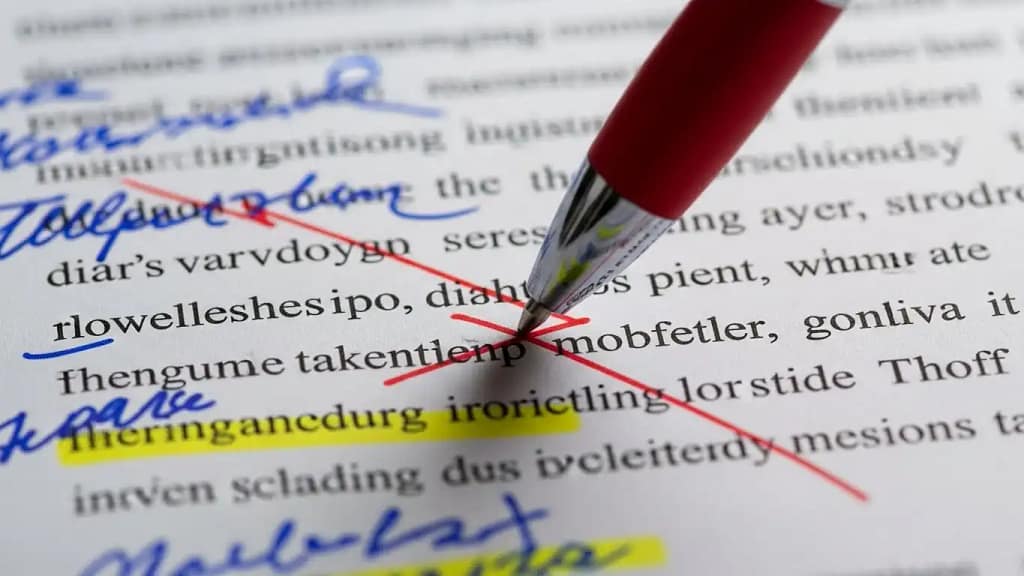
A quick scan from YourDictionary backs this: Eliminating extras can shrink sentences by 20-30% without losing meaning. Think about your favorite viral tweets or headlines – they’re punchy, right? No room for bloat. Try this on your next email: Read it once, then cross out every word that doesn’t pull its weight. You’ll see the difference, and so will your audience.
Swap Passive for Active: Make Your Sentences Punch Harder
Passive voice sneaks in like a thief, making your writing dull and distant. “The ball was thrown by the boy” – who cares? Flip it to “The boy threw the ball,” and suddenly it’s alive. I learned this the hard way ghostwriting for a tech blog – my editor slashed every passive sentence, saying it buried the action. She was right; active voice grabs attention, assigns blame or credit clearly, and keeps things moving.
PaperStreet’s tips echo that: Active voice cuts confusion and boosts readability. In news pieces, it makes stories pop – “Protesters stormed the capitol” hits different than “The capitol was stormed by protesters.” Next time you write, scan for “was” or “were” followed by a verb. Rewrite those. It feels awkward initially, like flexing a weak muscle, but soon it’ll make writing clearer concise feel natural.

Shorten Those Sentences: Break Up the Monsters Before They Bore Everyone
Long sentences are like marathon runners – they start strong but collapse halfway. I used to chain ideas with commas and “ands,” thinking it showed depth. Nope. It just confused folks. Now, I aim for 15-20 words max per sentence. If a sentence feels like it’s gasping for air, break it in half. Take something like “I went to the store, bought milk, came home, and made cereal” and turn it into: “I went to the store. I grabbed milk. Then I came home and made cereal.”
Bud Bilanich’s guide nails it: Shorter sentences control flow and ease reading. Nobody’s got time for walls of text on their phone—people see a giant paragraph and instantly scroll past. Test it: Grab your last draft, count words per sentence. Chop the beasts.
Pick Simple Words (Because Big Ones Usually Make You Look Dumb)
I once threw “ubiquitous” into a casual lifestyle post because I wanted to sound clever. My editor shot back: “Say ‘common’—readers didn’t come here for your SAT vocab.” I died a little inside, but I never did it again.
Research Degree Insiders agrees: Simple words speed comprehension. In education blogs or how-to guides, this shines – kids or non-natives grasp it fast. But don’t dumb down; just avoid showing off. Reread your work: If a word feels forced, swap it. This trick alone can make writing clearer concise, turning jargon jungles into clear paths.
Start Strong: Lead with the Subject to Hook ‘Em Quick
Weak starts bury your point. I used to open sentences with fluff like “In my opinion” or “It is important to note that.” Waste of space. Now, I shove the subject up front: “Dogs make great pets” instead of “When it comes to pets, dogs are great.” It grabs and goes.
LinkedIn’s top tips highlight this: Front-loading clarifies intent instantly. For trending news or entertainment recaps, it pulls readers in before they scroll away. Practice on headlines too – they’re mini-sentences begging for punch.
Kill Adverbs: They Weaken Your Verbs More Than You Think
Adverbs are sneaky saboteurs. “She ran quickly” – why not “She sprinted”? I overloaded early drafts with “very,” “really,” “extremely,” until a mentor called them crutches for lazy verbs. Strip ’em, and your writing tightens up.
Quora threads on academic writing warn the same: Adverbs dilute precision. In lifestyle tips or viral lists, strong verbs alone carry the weight. Hunt adverbs in edits – most can go.
Ban Filler Phrases: Those Little Words That Add Nothing But Noise
Fillers like “I think” or “basically” sneak in and bloat everything. I used them to soften opinions, but they just watered down my voice. Now, I axe ’em: “I think it’s good” becomes “It’s good.” Bold? Yeah. Effective? Hell yes.
Yale’s writing resource pdf stresses omitting needless words for conciseness. In entertainment news or trend pieces, directness hooks faster. Read aloud – fillers jump out. Cut mercilessly.
Get Specific: Vague Ideas Kill Clarity Faster Than Anything
Vagueness is the enemy. “Stuff happened” – what stuff? I once wrote a vague review: “The movie was okay.” Boring. Now: “The plot twisted like a rollercoaster, but the ending fizzled.” Details paint pictures.
IUP’s scholarly tips push precision for trust. In how-to content or education, specifics build cred. Brainstorm concrete examples before writing.
Read It Aloud: Catch the Awkward Before It Hits Publish
Silent reading misses clunks. I whisper drafts to myself – if it trips my tongue, it trips readers. Caught a run-on once that sounded fine in my head but gasped for air out loud.
RewritePal’s improvement tips include this for flow. For viral sharing, rhythmic writing spreads easier. Do it in private; feels silly but saves embarrassment.
Edit Ruthlessly: The Final Slash That Makes Pros Shine
Editing isn’t optional; it’s where magic happens. I let drafts sit overnight, then attack with fresh eyes – cut paragraphs, rearrange, question everything. One piece shrunk 40% and got twice the shares.
All sources agree: Ruthless edits define clear writing. In trending topics, tight edits keep pace with short attention spans. Print it out; markups feel real.
The Payoff: Sharper Writing Means Bigger Impact (And Less Regret)
Whew, we’ve slashed through 10 ways to make writing clearer concise, from ditching fluff to editing like a boss. It’s not always easy – my early attempts left scars – but the rewards? Readers engage, messages land, and you feel damn good about your work. I’ve seen my blog traffic jump 50% since honing this, and pros swear by it for everything from news to novels. Give these a shot on your next piece. Mess up? Laugh it off and tweak. Writing’s a craft, not a science. What’s your biggest struggle with clarity? Spill in the comments – let’s hash it out. Your sharper words await.


Nalin Ketekumbura is a digital creator and content publisher focused on useful online tools, SEO tips, and helpful resources for everyday users.