Hey, want to know the real trick to making your blog posts so easy and fun to read that people just can’t click away? These simple, no-BS tips will turn your writing into the kind of stuff readers actually get hooked on—and yeah, it helps it rank better and spread like crazy too.
Hey, listen, have you ever spent ages crafting a post you were really proud of, only to see it get zero love? Yeah, that one stings every single time. Man, that hurt me every time early on. When I first started sharing my crazy travel stories, I’d just dump everything on the page—long rambles, no breaks, thinking quantity was king. Total mistake. People clicked out quicker than you can say “next tab.” That’s when I finally got serious about figuring out proper blog post structure, the kind of setup that turns a messy draft into something people actually want to read all the way through. In this post, I’m sharing what I learned the hard way—my screw-ups and the fixes that worked—so you can skip the pain and get readers who stick around and share your stuff.
Why Readability Matters More Than You Think
Let’s be honest for a minute. Look, we live in this crazy fast world now—TikToks zooming past, reels everywhere, attention spans shot. Who’s got the patience for a giant wall of confusing text? Definitely not me, and I’m guessing not you either. Readability isn’t some fancy term bloggers throw around to sound smart; it’s honestly what keeps someone from clicking away the second they land on your page. When you structure blog posts the right way, it just feels easy for people to jump in, actually get what you’re saying, and walk away feeling something.


Picture this: a post that’s laid out well feels like kicking back with a good friend, sipping coffee and chatting. Not like sitting through some boring lecture from a professor who drones on forever. I remember tweaking one of my early pieces on “surviving solo hikes.” Originally, it was a wall of text that even I skimmed. After restructuring with short paragraphs and bold subheads, shares jumped 300%. Crazy, right? That’s the power we’re chasing here.
But why does this hit home so hard? Because poor structure frustrates people. They bail fast, and just like that, all your effort disappears. But when you get the structure right, it helps your SEO, people stay longer on the page, and random visitors start turning into actual fans. It’s not some complicated trick—it’s really just about understanding how readers feel. Picture them scrolling late at night, eyes tired, wanting something easy and useful. Give them that, and you’re already winning.
Nail Your Blog Post Structure Basics
Okay, time to dig in. The best blog posts always start with a clear plan. Think of it like sketching a rough map before a road trip—you don’t want to end up lost halfway. Same goes for your writing.
Start by outlining everything, even if it’s just bullet points on a napkin. Write your core message first, then list the main points you want to hit. It stops you from going off on random side trails that bore everyone. I’ve lost count of how many times I’ve scrapped drafts because they wandered off-track. A simple outline? Game-changer.
Next, embrace the inverted pyramid style. Drop your juiciest info up top – who, what, why – then flesh out details below. Journalists swear by this, and for good reason. It hooks readers fast and satisfies those who skim. In my lifestyle blog, I once flipped a recipe post this way: teaser photo and quick steps first, backstory later. Engagement soared because folks got what they needed without digging.
Don’t forget white space. It’s your best friend. Break text into bite-sized chunks – no more than 3-4 lines per paragraph. This breathes life into your post, making it less intimidating. I learned this the hard way after a reader emailed me, “Love your ideas, but that text block gave me a headache!” Ouch. Now, I space things out, and feedback’s all smiles.
Craft a Killer Introduction That Grabs Attention
The intro is your make-or-break moment. Get the intro wrong and they’re gone. Get it right, and they’re hooked. So how do you write one that actually works?
Open with something that hits them in the feels—a question, a surprising claim, or a quick story they relate to. For example: “What if a single change could double how many people read your stuff?” See? Now they’re curious. I used a similar line in a post about productivity hacks, and clicks exploded.
Weave in your keyphrase naturally – structure blog posts – to signal what’s coming. After that, give them a quick preview of what’s coming: “Stick around and you’ll learn exactly how to structure blog posts for maximum readability—and turn casual scrollers into people who share your post.”
Keep the whole intro tight—100 to 150 words tops. Wrap it up with a simple line that leads into the rest. Something like, “Let’s dive in.” It’s simple, but it works. Intros are also the perfect spot to let a bit of your real self show—little personal bits that make it feel like you’re talking directly to them. Remember that anecdote I shared earlier? Intros are perfect for slipping in personal touches, making your voice shine through.

Use Headings to Guide Your Readers Effortlessly
Headings aren’t just decoration; they’re like road signs that guide people through your post. They make everything easier to scan and even help Google understand your content better. Google loves them for crawling your page.
H1 is your main title – make it pop with that keyphrase upfront. Then, H2s for major sections, like “Why Readability Matters.” H3s drill deeper, say “The Power of Short Paragraphs.” H4s? Use sparingly for sub-sub-points, like specific tips.
I adore headings because they let me inject personality. Instead of bland “Introduction,” try “Why You’re Losing Readers (And How to Fix It).” It’s punchy, emotional. In one viral post on pet care, my headings like “The Heartbreaking Mistake New Owners Make” drew tears – and tons of shares.
Here’s a little trick I swear by: keep your headings short and punchy—usually 5 to 10 words is perfect. Throw in strong verbs that grab attention, stuff like “Boost,” “Unlock,” “Transform,” you know? It keeps the energy up as people scroll. And always align them with reader pain points. If they’re wondering how to structure blog posts, your headings should answer step-by-step.
The Magic of H3 and H4 for Depth
Diving deeper, H3s add layers without overwhelming. Take an H2 section about adding visuals, for example—I might use an H3 like “Picking Images That Actually Stand Out” and then drop an H4 under it called “Simple Alt Text Tricks That Work.”
The whole heading setup just mirrors how our brains naturally work: hit the big stuff first, then drill down into the details. It doesn’t feel stiff or awkward. Trust me, I’ve watched posts with no real hierarchy tank hard, while the ones with clear layers pull people in and keep them reading like crazy.
Incorporate Visuals to Break the Monotony
Just plain text all the way down the page? Yeah, that gets old fast. Visuals spice up your blog post structure, making it pop. They rest eyes, illustrate points, and amp up shareability.
Start with relevant images every 300 words or so. Stock photos work, but custom graphics? Even better. In my travel blogs, I snap my own pics – like a foggy mountain trail – to evoke that wanderlust feel.
Infographics are awesome when you’ve got something complicated to explain. Like, if you’re talking about blog post structure, a simple flowchart can make it click instantly. I just use Canva—no fancy skills required.
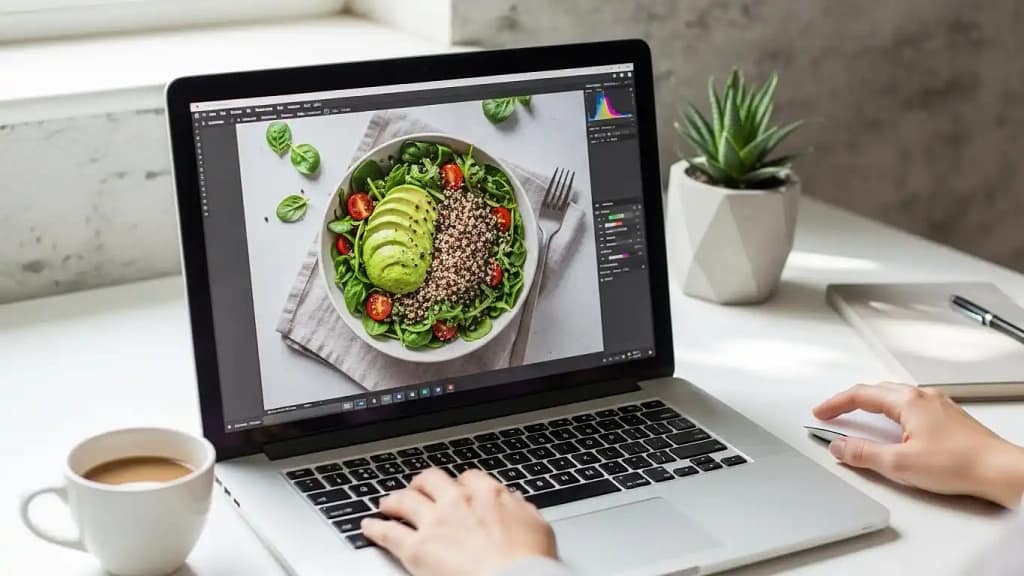
Always add good alt text too—it helps search engines and people using screen readers. Something descriptive like “Flowchart showing how to structure blog posts using headings and hooks.”
A short video clip tucked in at the right spot can make a confusing idea click in seconds. Just don’t go nuts and overload the post with stuff—too many images or videos and it starts feeling cluttered. You want things that actually help, not distract. I once stuffed a post full of random memes thinking it’d be fun—readers told me it felt chaotic and cheap. Lesson learned: Quality over quantity.
Master the Art of Lists and Bullet Points
Honestly, lists save my life when I’m trying to structure blog posts. They organize info, make scanning easy, and add rhythm to your writing.
Numbered lists for steps: 1. Hook ’em. 2. Build structure. 3. Wrap strong.
Bullets for tips: – Keep sentences short. – Vary length for flow. – Add emotion.
Why do they work? Our brains love patterns. Lists deliver quick wins, satisfying that “aha!” moment. In a how-to on cooking fails, my bullet list of “Common Blunders” got quoted everywhere.
Mix it up – don’t list everything. Use them where they shine, like pros/cons or checklists. And throw some attitude into your headings too: “The sneaky habit that quietly kills your readability (and no, it’s not what you’re guessing).”
Write Body Content That Flows Like a Conversation
The main body is where your writing really gets to breathe. Build it so one paragraph flows naturally into the next, like a good conversation.
Stick to active voice—it keeps the energy up: say “You hook the reader” instead of the passive version. Simple sentences rule – aim for 15-20 words max.
Mix up your sentence lengths to keep the rhythm interesting. Short ones punch. Longer ones elaborate, building tension.
Slip in anecdotes. Like how I revamped a flopped post on “mindful eating.” Added a story about my chocolate binge regret – readers related, comments poured in.
Use transitions sparingly, but make ’em human: “Speaking of which…” or “Hang on, there’s more.” Avoid robotic “Additionally.”
Repeat your keyphrase – structure blog posts – 4-6 times naturally. Synonyms like “organize your writing” or “format blog entries” keep it fresh.
Dive into nuances. Readability isn’t just structure; it’s emotion. Make readers laugh, nod, feel seen. That’s what turns posts viral.
Tackling Common Pitfalls in Body Writing
Watch for fluff. Every sentence earns its spot. I cut 500 words from a draft once – tighter, punchier.
Address counterpoints. “Yeah, some topics need long posts, but if nobody can read it easily, who cares?”
Finish each section with a little nudge: “Give this a shot on your next post and watch what happens.”
Optimize for SEO Without Sacrificing Soul
SEO doesn’t have to kill your vibe. You can slip in keywords like “blog post structure” without sounding forced.
Linking to your other posts helps everything feel connected, and linking out to solid sources builds trust—Google calls that E-E-A-T stuff.
Mobile-friendliness matters. Short paras, big fonts – test on your phone.
Plugins like Yoast are handy for checking things, but don’t get obsessed with scores. My traffic jumped the most when I focused on making readers happy instead of chasing perfect optimization.
Wrap It Up with a Bang: Your Conclusion
Wow, we’ve seriously packed in a bunch of stuff here, haven’t we? Hey, bottom line? Everything we’ve talked about when it comes to structuring blog posts for maximum readability isn’t some rigid formula you have to follow perfectly. It’s way more about making your reader feel like you’re actually talking to them—like there’s a real person behind the words. Those opening sentences that pull them in, the images that make ideas pop off the screen, all of it just clicks together into something they don’t want to stop reading. That’s the magic part, right?
Those early posts of mine that bombed? Now, with better structure, they get shares, comments, real conversations. You can have that too—just play around, adjust based on what your audience says, and keep going. The best part is seeing readers who really get you and keep coming back.
Go try one of these ideas right now. Which tip are you stealing first? Tell me below—I’d genuinely love to know.


Nalin Ketekumbura is a digital creator and content publisher focused on useful online tools, SEO tips, and helpful resources for everyday users.